
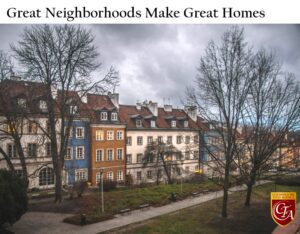
The loss of neighborhood gathering places didn’t happen overnight.
For years, local businesses have faced rising operating costs, changing consumer habits, online competition, and shifting demographics. The pandemic accelerated many of these trends, but the challenges began long before 2020.
Today, restaurants face significantly higher food and labor costs. Commercial rents, insurance premiums, and operating expenses continue to rise. For many independent businesses, simply keeping the doors open has become increasingly difficult.
As a result, communities lose much more than a business.
They lose places where birthdays are celebrated, youth sports teams gather after games, retirees meet for morning coffee, and neighbors become friends.
Researchers have also found that affordability is changing how people socialize. Many Americans are choosing lower-cost ways to connect, including parks, walking trails, outdoor concerts, community events, and volunteer activities.
Perhaps that’s an opportunity.
Communities don’t become stronger simply because new homes are built. They become stronger when residents participate in the life of the community.
That might mean:
* Supporting locally owned businesses.
* Visiting the public library.
* Attending community festivals.
* Joining a civic organization.
* Volunteering with a local nonprofit.
* Spending time in neighborhood parks.
These simple activities strengthen the social fabric that makes towns attractive places to live.
For homebuyers, choosing a community isn’t just about finding the right address. It’s about finding a place where relationships can grow.
At Counsellors Title Agency, we see families moving every day. The happiest homeowners often discover that the best investment isn’t only the home they purchase—it’s the community they become part of.
After all, the strongest neighborhoods aren’t defined only by their homes. They’re defined by the people, traditions, businesses, and gathering places that bring those homes to life.