
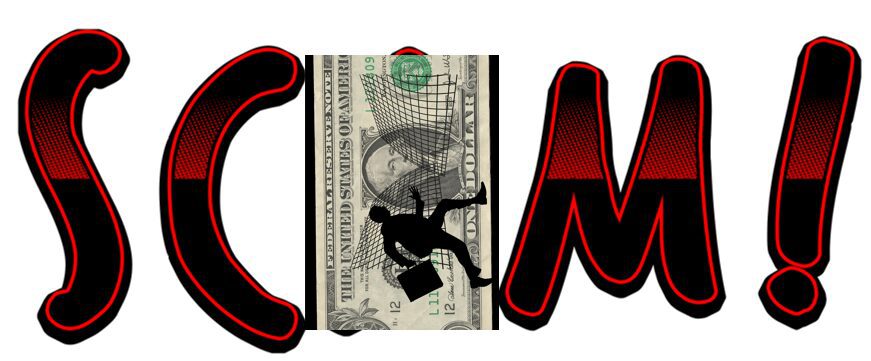
One of the biggest misconceptions people still have about scams is believing fraudsters are only targeting the elderly, the uninformed, or the technologically inexperienced. That is no longer true.
Today’s scammers are sophisticated marketers, psychological manipulators, and digital impersonators who understand branding, trust, urgency, and human behavior remarkably well.
Recently, I received an email that appeared connected to Costco. The subject line read: “RE: We’re Back with the Information You Requested”
At first glance, it sounded familiar, professional, and harmless. But the actual sender address told the real story: hagetvain70789961485@gmail.com
That single detail exposed the deception.
Names, Logos & Prizes
Scammers today frequently use the names and logos of trusted companies to create immediate emotional credibility. The goal is simple: look credible and friendly! And make it extra easy to get tripped up.
Why Scams STILL Work: Modern scams succeed because they exploit three powerful human tendencies:
Familiarity: Using names people trust and recognize:
• Costco
• Amazon
• Netflix
• PayPal
• Apple
• Banks
• Government agencies
By doing so the scammer looks to borrow the reputation of a brand and thus create instant familiarity.
Urgency: Many scam emails create pressure:
• “Your account is suspended”
• “You requested information”
• “Final notice”
• “Claim your reward”
• “Your package is delayed”
Urgency short-circuits careful thinking.
Curiosity: Scammers know people naturally want to know:
• What information?
• What account?
• What order?
• What reward?
• What problem?
Curiosity often overrides prudence.
Red Flags People Should Never Ignore:
■ The Sender Address Does Not Match the Company – A legitimate company like Costco would not typically send official communication from a random Gmail address. Always look beyond the display name and inspect the actual sender email carefully.
■ Generic Language: Scammers often intentionally use vague wording, lacking specificity.
• “The information you requested”
• “Your account”
• “Your reward”
• “Your package”
■ Unexpected Communication: If you did not request information, enter a contest, or initiate contact, resist the temptation to jump into the email.
■ Links That Feel Off: NEVER click suspicious links directly from an email.
■ How People Can Get Smarter About Scams: Scammers depend on emotional reaction and fast decisions. Pause. Think. Look. Don’t Click Anything.
■ Branding Can Be Faked: Logos, colors, layouts, signatures, and even entire websites can now be copied convincingly. Professional appearance isn’t proof of legitimacy. Always protect your personal information!
Never provide:
• passwords
• verification codes
• banking information
• Social Security numbers
• wire instructions
• account credentials
■ Use Multi-Factor Authentication: Whenever possible, enable two-factor authentication on financial, shopping, and email accounts.
■ Trust Your Instincts: If something feels rushed, manipulative, or confusing, there is usually a reason.
Develop A Higher SQ (Scam Intelligence) We are entering an era where scams increasingly resemble legitimate communication. Artificial intelligence, brand impersonation, voice cloning, fake websites, and data harvesting are making fraud more convincing than ever before.