
Ways Real Estate Agents Must Navigate the New Market Reality
Across New Jersey, a major shift is taking place in the housing market—one that every real estate agent needs to recognize, understand, and adapt to.
The moderately priced single-family home, once the entry point to the American Dream, is becoming increasingly scarce. In many towns throughout Ocean County, Monmouth County, Middlesex County, Bergen County, and beyond, smaller homes that once served as affordable starter properties are being purchased, expanded, rebuilt, or replaced with larger, higher-end homes aimed at a different buyer profile.
For New Jersey real estate professionals, this is not just a housing trend—it is a new market reality.
The Vanishing Starter Home
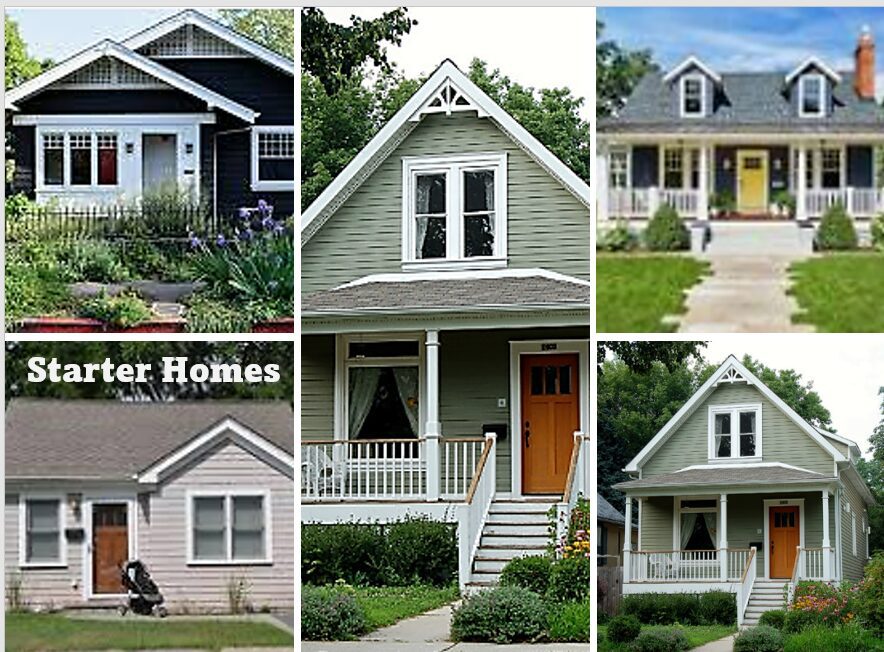
In decades past, first-time buyers in New Jersey could often find modest ranches, Cape Cods, split-levels, or bungalows in established neighborhoods. These homes gave young couples, working families, and upwardly mobile renters a pathway into ownership.
Today, many of those same homes are:
• Torn down and rebuilt into luxury residences
• Renovated far beyond starter-home pricing
• Purchased by cash buyers or investors
• Held as rentals
• Bid up through low inventory competition
The result is simple: many would-be buyers are becoming long-term renters not by choice, but by economics.
What Is Driving This in New Jersey?
Several forces are colliding simultaneously.
1. Limited Inventory: New Jersey has long suffered from limited land availability, mature suburban development patterns, and slower new construction pipelines. In many desirable towns, there simply are not enough homes for sale.
2. Higher Mortgage Rates: Monthly affordability has changed dramatically. Even if prices stabilize, higher rates can add hundreds of dollars per month to payments, pushing many buyers out of range.
3. Renovation Economics: Builders and investors often find that replacing a modest home with a larger upscale property creates stronger returns than preserving affordability.
4. Taxes, Insurance, and Carrying Costs: New Jersey property taxes, insurance premiums, and utility costs all affect affordability. Buyers now qualify based on total monthly burden—not just purchase price.
5. Migration and Lifestyle Demand: Many buyers from New York City and other high-cost regions continue to view parts of New Jersey as attractive alternatives, increasing competition in commuter towns and shore markets.