
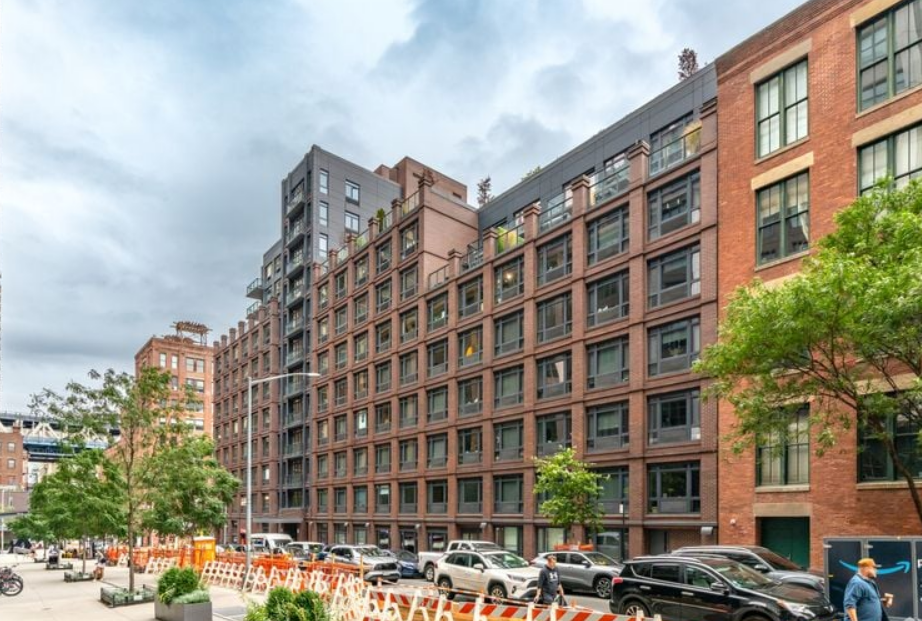

A landmark property once owned by the Jehovah’s Witnesses in Brooklyn’s Dumbo neighborhood has been sold for $85 million, marking yet another chapter in the ongoing wave of religious property transactions reshaping New York City’s real estate landscape .
High-Profile Sale in Dumbo
The luxury rental building at 181 Front Street, a 12-story tower in the heart of Dumbo, was purchased by Hubb Properties, reflecting the intense demand for prime NYC real estate . While it wasn’t a direct sale from the Jehovah’s Witnesses—The Carlyle Group, which bought the property in 2014, was the official seller—the building traces its history to the organization’s once-massive Brooklyn holdings.
This transaction follows a trend that began in 2004, when the Witnesses started liquidating key assets in preparation for relocating their world headquarters to Warwick, NY. Other marquee sales have included:
– The Watchtower Building at 25-30 Columbia Heights, sold for $340 million
– 85 Jay Street, a development site sold for $345 million
– 21 Clark Street, formerly Towers Hotel, sold for $200 million
– The Dumbo Heights portfolio, five buildings sold for $375 million
Why Are Religious Properties Changing Hands?
New York City’s churches and other places of worship are joining a growing trend of selling valuable land and buildings. Key factors driving these sales include:
– Dwindling congregations: Many buildings were constructed for larger communities than exist today, rendering their size and maintenance costs unsustainable.
– Financial pressure: Aging architecture demands expensive repairs, prompting congregations to liquidate assets for cash.
– Real estate demand: With the city’s housing market hotter than ever, developers see these properties as prime opportunities for residential or mixed-use conversion.
– Legal settlements: Certain denominations, including the Catholic Church, have sold assets to cover lawsuit settlements.
A former church on Sackett Street in Carroll Gardens is currently being converted to residential use. Other churches, synagogues, and religious campuses across the city are actively exploring sales, ground leases, or air rights transfers to meet changing financial and urban demands.
Wider Impacts
As the Jehovah’s Witnesses relocate and other faith communities consider similar moves, New York’s skyline continues to transform. Each sale and conversion carries architectural, cultural, and civic consequences, rewriting neighborhood stories and opening the door for new housing, commercial, and communal activity.
For residents, businesses, and those passionate about preserving city heritage, the liquidation of religious properties underscores how rapidly NYC is recalibrating—and why understanding real estate’s evolving landscape is vital in today’s market.