
The New FinCEN AML Rule: What It Means for Your New Jersey Transactions
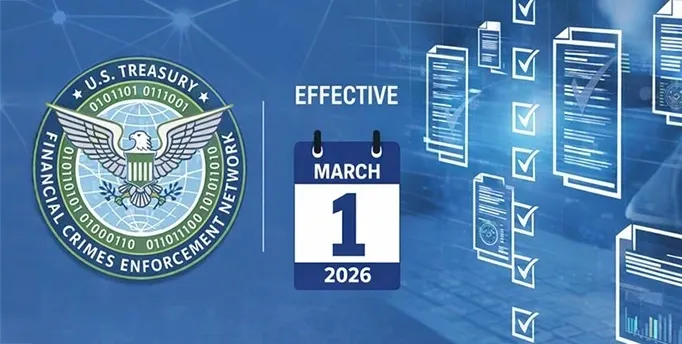
Beginning March 1, 2026, the Financial Crimes Enforcement Network (FinCEN) will implement a new Anti-Money Laundering reporting requirement that will affect certain real estate transactions across the country, including here in New Jersey.
Who Is Affected?
For real estate agents working with cash buyers or entity purchasers, this is not a minor procedural change. It represents a structural shift in how certain deals will be documented, reviewed, and reported at the federal level.
The regulation is aimed at preventing money laundering through residential real estate. Transactions involving all-cash purchases, hard money, private lending, or buyers purchasing through an LLC, corporation, trust, or similar entity structure will fall within the scope of the rule. Where an entity is used to acquire property without traditional institutional financing, detailed reporting will now be required.
The federal government will require disclosure of beneficial ownership information behind the purchasing entity, along with identifying documentation and additional data tied to the transaction. Certain seller information will also be collected, although the reporting burden falls more heavily on the buyer side.
This means the closing process, in applicable transactions, will involve additional compliance steps. Documentation must be gathered, verified, and securely transmitted before or in conjunction with closing. These are not optional procedures. They are federally mandated reporting obligations.
For Agents
The practical impact is clear: preparation and education must begin early in the transaction. Buyers who are accustomed to streamlined cash closings may not anticipate the level of disclosure now required. Sensitive personal information — including government-issued identification and taxpayer identification numbers — will need to be provided and handled with strict security protocols.
The Title Agency
Title agencies will typically be responsible for preparing and filing these federal reports. That responsibility carries both regulatory and cybersecurity obligations. Secure systems, controlled communication channels, and disciplined verification procedures are no longer enhancements — they are necessities.
Costs
There will also be a new compliance cost associated with these transactions. Buyers should expect an additional reporting fee, generally estimated between $500 and $800, reflecting the time, verification procedures, and filing responsibilities imposed by the rule. Setting that expectation early will prevent last-minute friction at closing.
Penalties
Non-compliance carries significant penalties, including potential fines that can reach $250,000. That reality alone makes early coordination essential.
At Counsellors Title, we view this not as a disruption, but as a responsibility. With a long history in title insurance and real estate transactions exceeding $20 billion in insured value, we have navigated regulatory change, market shifts, and increasingly complex compliance environments. Experience matters when new rules intersect with active transactions.
Our role is to protect the integrity of your closing, safeguard your client’s information, and ensure federal reporting requirements are met without unnecessary delay. The earlier we are involved in entity or cash transactions, the smoother the compliance process becomes.
If you are representing investors, developers, out-of-state buyers, or entity purchasers with closings scheduled on or after March 1, 2026, now is the time to prepare.
We invite you to speak with Counsellors Title about how this new rule will affect your pipeline and how to position your clients for a seamless closing under the new federal framework.
Preparation today protects your transaction tomorrow.
If you have any questions, please contact our office at 732.914.1400 or email ralph@counsellorstitle.com